Introduction
Ventilator support is an important aspect of modern medicine, specifically in critical care unit (ICUs) where people with respiratory failing usually need assistance. As a brand-new professional, comprehending the principles and techniques of ventilator support can substantially influence client outcomes. This detailed guide-- Ventilator Assistance 101: Whatever You Required to Know as a Brand-new Practitioner-- aims to equip you with essential understanding and skills that will certainly enhance your medical practice.
What is Ventilator Support?
Ventilator support refers to making use of mechanical tools to assist or change spontaneous breathing in people experiencing respiratory distress or failure. It plays an important function in giving oxygen and getting rid of carbon dioxide from the blood stream when people can refrain from doing so successfully on their own.
How Does Ventilation Work?
In essence, ventilators function by supplying regulated breaths to the patient. The key settings of air flow consist of:
- Assist-Control (A/C): The ventilator supplies a pre-programmed volume or stress with each breath while allowing clients to launch extra breaths. Synchronized Recurring Obligatory Air flow (SIMV): This mode provides compulsory breaths at established intervals, allowing for spontaneous breathing in between. Pressure Assistance Ventilation (PSV): The ventilator aids with each breath taken by the individual, offering a predetermined degree of pressure yet permitting the individual to regulate the timing and frequency.
Why Is Ventilator Support Necessary?
Ventilator support comes to be critical when people display conditions such as:
- Acute Breathing Distress Disorder (ARDS) Chronic Obstructive Lung Illness (COPD) exacerbations Pneumonia Neuromuscular conditions impacting breathing muscles
Understanding these problems will become part of your crucial training in any kind of basic ventilator course.
The Importance of Education and learning in Ventilation Training
Basic Ventilator Program Overview
For brand-new professionals, registering in a basic ventilator course is vital. Such programs generally cover:
Anatomy and physiology of the respiratory system system. Indications for mechanical ventilation. Types and modes of ventilation. Monitoring and fixing ventilators.Completing this fundamental education and learning outfits you with vital abilities essential for effective airway monitoring and ventilation.
Ventilation Training Programs: What to Expect
When joining ventilation training courses, you can anticipate hands-on experience combined with theoretical knowledge. These training courses often consist of:
- Simulation-based learning Case studies Group discussions
This diverse technique guarantees that individuals are well-prepared for real-world circumstances involving ventilator management.
Practical Skills Required for Efficient Air Passage Management
Airway Administration Techniques
Effective air passage management is fundamental for successful ventilator assistance. Key techniques consist of:

Each technique has actually specific signs based upon client demands, and proficiency is critical for specialists involved in ventilation training for nurses.
Monitoring People on Mechanical Ventilation
Monitoring is vital once a person is placed on a ventilator. Trick criteria include:
|Criterion|Regular Range|Significance|| --------------------------|-----------------------|------------------------------------|| Tidal Quantity|6-- 8 mL/kg|Sufficient lung growth|| Respiratory Rate|12-- 20 breaths/minute|Shows individual's initiative|| FiO2|21% - 100%|Oxygen concentration provided|| Peak Inspiratory Stress|<< 30 cm H2O|Procedures respiratory tract resistance|</p>
Regularly evaluating these parameters permits professionals to readjust setups accordingly and protect against complications.
Advanced Principles in Ventilator Support
Understanding Settings of Mechanical Ventilation
Different modes offer flexibility based on individual client needs:
Assist-Control (AIR CONDITIONER)
Patients get complete support but might likewise start breaths without losing assistance.
Synchronized Intermittent Required Ventilation (SIMV)
This setting promotes spontaneous breathing while guaranteeing minimum mandatory breaths are delivered.
Pressure Control Mode
The stress limitation is predetermined, allowing for variable tidal quantities based on lung compliance.
Mechanical vs Non-Invasive Ventilation
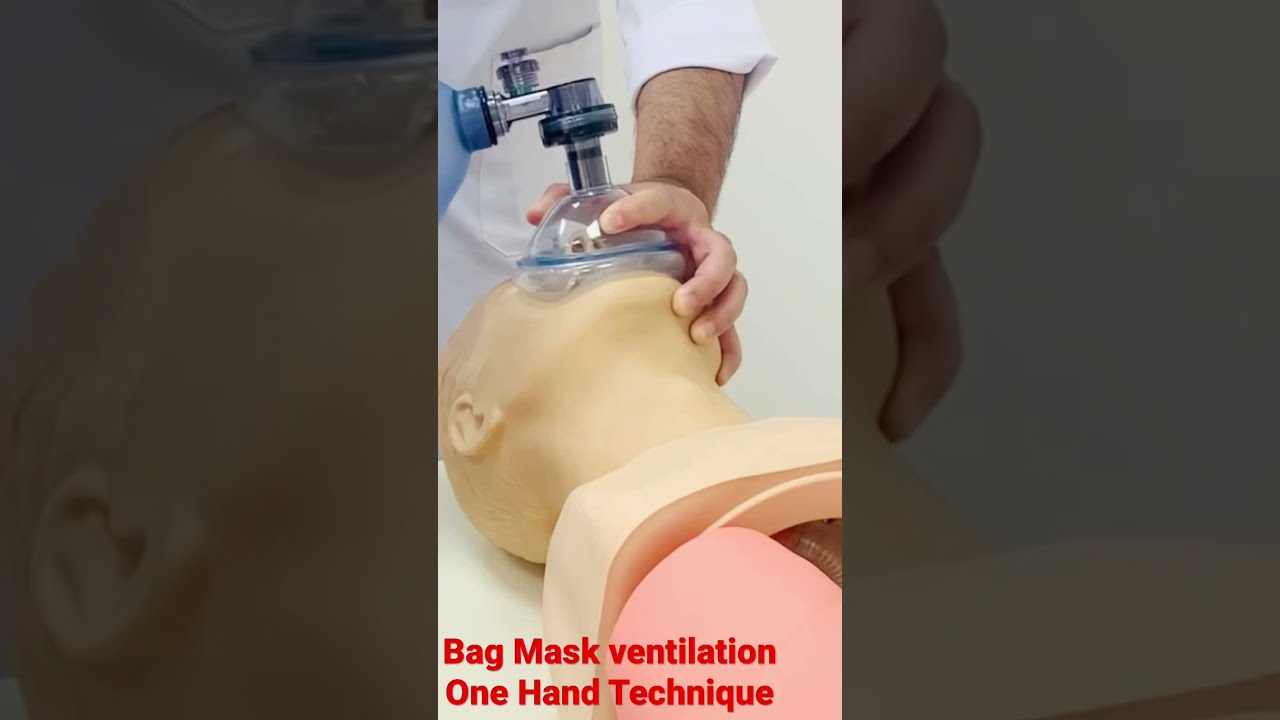
Mechanical ventilation entails intubation, whereas non-invasive approaches use masks or nasal cannulas. Comprehending both choices aids professionals pick suitable interventions based upon clinical scenarios.
Ventilator Setups: A Deep Study Parameters
Tidal Quantity Settings
Tidal volume setups should be embellished, generally calculated at around 6-- 8 mL/kg of excellent body weight.
PEEP: Favorable End Expiratory Pressure
PEEP assists maintain alveolar rising cost of living at end-expiration, stopping atelectasis yet must be stabilized against hemodynamics.
Complications Associated with Mechanical Ventilation
Potential Threats Involved in Ventilator Use
While lifesaving, mechanical ventilation comes with dangers consisting of:
Barotrauma Ventilator-associated pneumonia (VAP) Muscle weaknessBeing familiar with these difficulties enhances your ability to carry out preventive measures throughout training sessions focused on tracheostomy and ventilator training methods.
Addressing Usual Frequently asked questions regarding Ventilator Support
FAQ 1: What Must I Do If My Patient Is Not Enduring the Ventilatory Settings?
If your individual shows indications of pain or poor oxygenation regardless of changes, take into consideration reassessing their condition or speaking with an intensivist for further analysis.
FAQ 2: Just how Typically Need To I Examine My Client's Sedation Level?
Continuous surveillance is essential; check sedation degrees every few hours or more frequently if there are modifications in physiology or ndis ventilation certification habits recommending discomfort or agitation.
FAQ 3: When Need To I Consider Weaning My Client off the Ventilator?
Weaning should begin when patients exhibit secure respiratory system status without excessive job breathing; signs include improved blood gas outcomes and readiness to extubate safely.
FAQ 4: Is Specialized Training Required for NDIS Patients?
Yes! Taking part in an NDIS ventilation training program prepares specialists particularly to handle clients ndis ventilation training requiring specialized treatment as a result of disabilities.
FAQ 5: Exactly how Can I Ideal Prevent VAP During Mechanical Ventilation?
Implement rigorous oral hygiene procedures together with elevating the head of the bed a minimum of 30 levels whenever possible to lower desire risk effectively.

FAQ 6: What Resources Are Available for Recurring Learning?
Numerous sources exist including online systems offering courses like NDIS ventilation training programs concentrated on enhancing your skills continually via functional scenarios.
Conclusion
In conclusion, coming to be skillful in ventilator support calls for commitment and continuous education and learning as encompassed within this guide-- Ventilator Assistance 101: Whatever You Need to Called a New Practitioner-- to make certain optimum treatment delivery for critically ill clients calling for mechanical aid for respiration. With foundational expertise acquired from training programs paired with sensible experiences gotten during medical method, you will develop confidence not just managing complex cases but also affecting favorable outcomes across numerous medical care setups effectively!
This substantial guide acts as both reference material during your preliminary years working within essential treatment environments while preparing you effectively in the direction of future difficulties encountered throughout your medical profession journey!